Best Top Coat for Painted Furniture (Matte vs Satin vs Gloss Explained)
If you’ve ever finished painting a piece of furniture and thought, “Do I really need a top coat?”—the answer is yes.
A good top coat is what protects your finish, determines how your piece looks long-term, and honestly, can make or break your final result.
In this guide, I’m breaking down the best top coats for furniture:
- The different types of top coats
- Matte vs satin vs gloss (and when to use each)
- What I actually use on my own furniture projects
This post may contain affiliate links, which means I may earn a small commission at no extra cost to you. I only recommend products I personally use and trust.
What Does a Top Coat Do?
A top coat seals and protects your paint.
Without it, your finish is more likely to:
- Scratch easily
- Stain or absorb moisture
- Wear down over time
If you’re painting furniture that will actually be used (dressers, tables, cabinets), a top coat isn’t optional—it’s essential.
My Go-To Top Coat
General Finishes High Performance Top Coat in Satin, an easy to use water-based top coat.
This is what I use on most furniture for a smooth, durable finish.
Types of Top Coats (What You Need to Know)
1. Water-Based Top Coats (Most Popular)
I use water-based top coats most often from brands like Dixie Belle and General Finishes.
Why they’re great:
- Low odor
- Fast drying
- Clear finish (no yellowing)
- Easy to apply
Best for: most painted furniture projects
2. Oil-Based Top Coats
These are less common for painted furniture but still have their place.
Pros:
- Extremely durable
- Rich, slightly warm finish
Cons:
- Strong smell
- Longer dry time
- Can yellow over light paint colors
Best for: dark pieces or high-wear surfaces
3. Wax (Alternative Finish)
Wax is often used with chalk paint, especially with brands like Annie Sloan.
What to know:
- Soft, matte finish
- Lower durability
- Needs reapplication over time
Best for: decorative pieces, low-use furniture
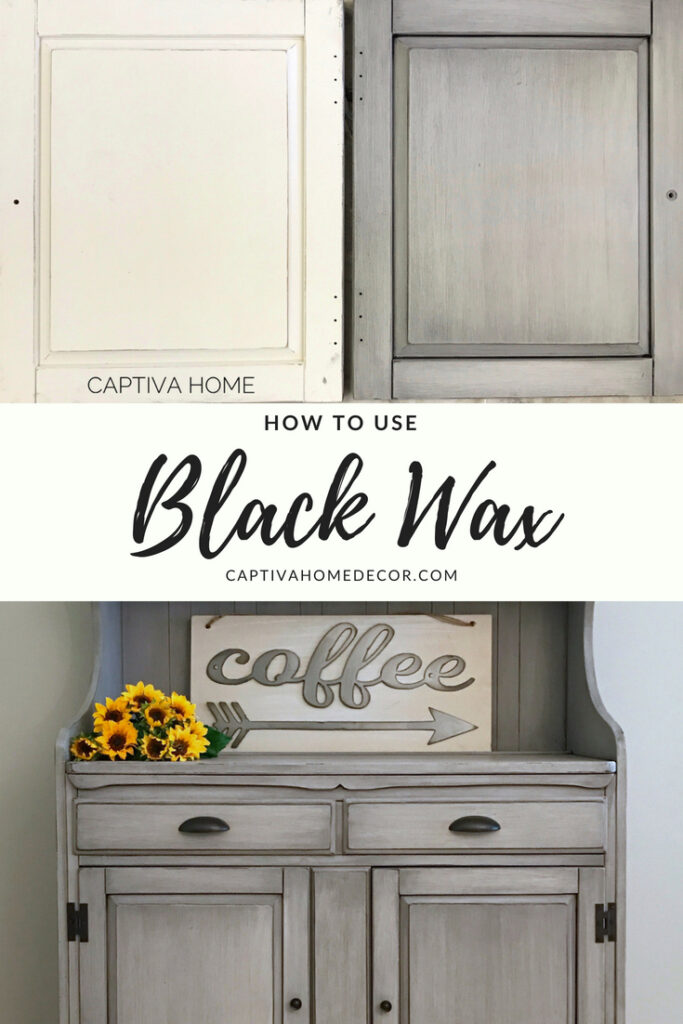
Matte vs Satin vs Gloss (This Is What Really Matters)
This is where most people get stuck—and where your finish really changes.
Matte Finish
- Very low sheen (almost flat)
- Soft, modern look
- Hides imperfections well
I use matte when I want a clean, painted look without shine
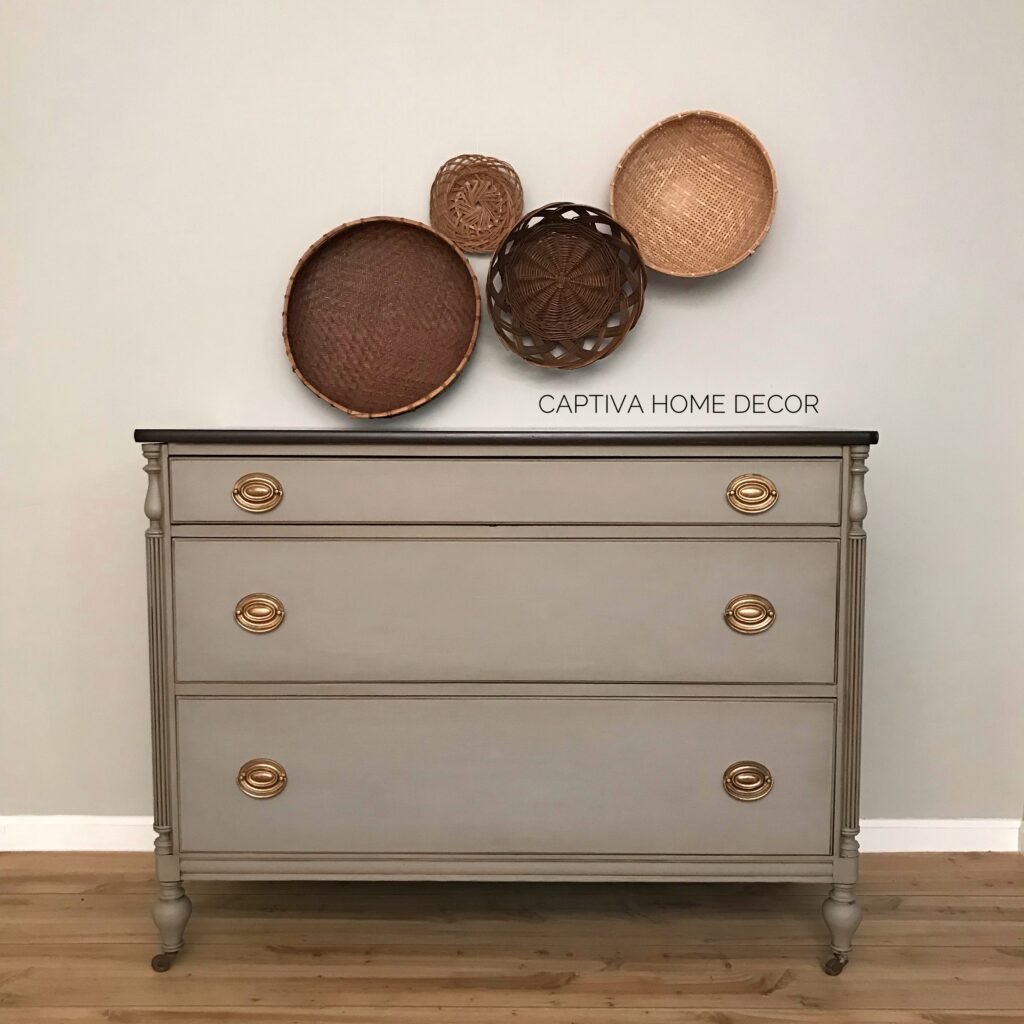
Satin Finish (My Most Used)
- Slight sheen (not shiny, not flat)
- Easy to clean
- More durable than matte
This is my go-to for most furniture pieces
If you’re unsure what to choose—pick satin.
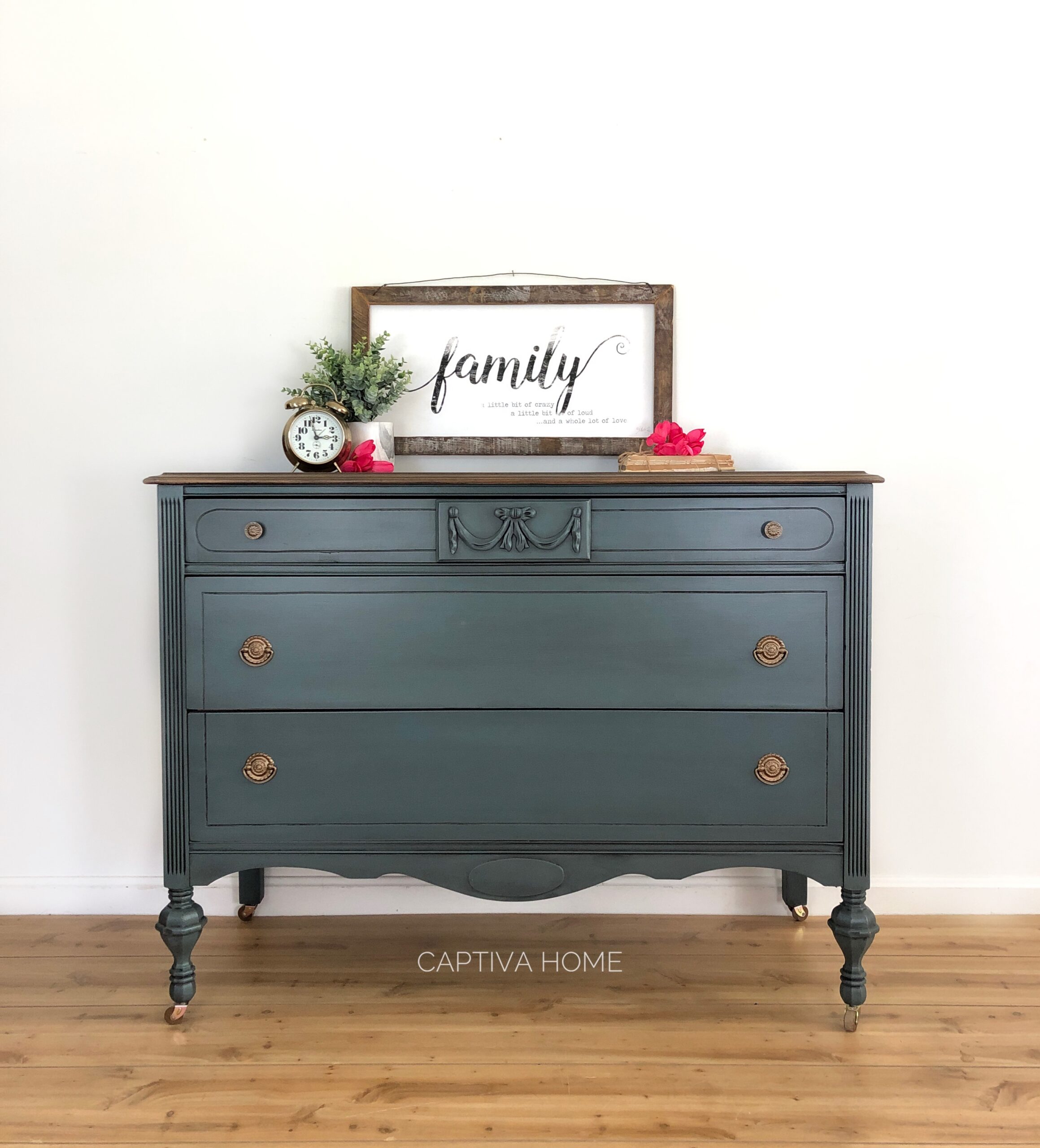
Gloss Finish
- High shine
- Very durable
- Shows brush strokes more easily
- Curves & details are emphasized in gloss, but so are any mistakes…
Best for: modern pieces, cabinets, or statement finishes
What I Personally Use (And Recommend)
After painting a lot of furniture, here’s what I consistently reach for:
For most projects:
High Performance Water Based Top Coat in Satin from General Finishes
For chalk paint finishes:
Clear coat from Dixie Belle
For decorative finishes:
Clear Wax from Annie Sloan
I keep all three in rotation—but a satin water-based top coat is what I use the most.
Common Top Coat Mistakes to Avoid
1. Choosing Matte for High-Use Surfaces
Matte looks beautiful—but it’s less durable. Use satin for anything that gets touched often.
2. Applying Too Thick
Thin, even coats are key. Thick coats can lead to streaks and tacky finishes.
3. Using the Wrong Brush
A high-quality brush makes a huge difference in how your top coat lays out.
This is especially important for avoiding visible brush strokes.
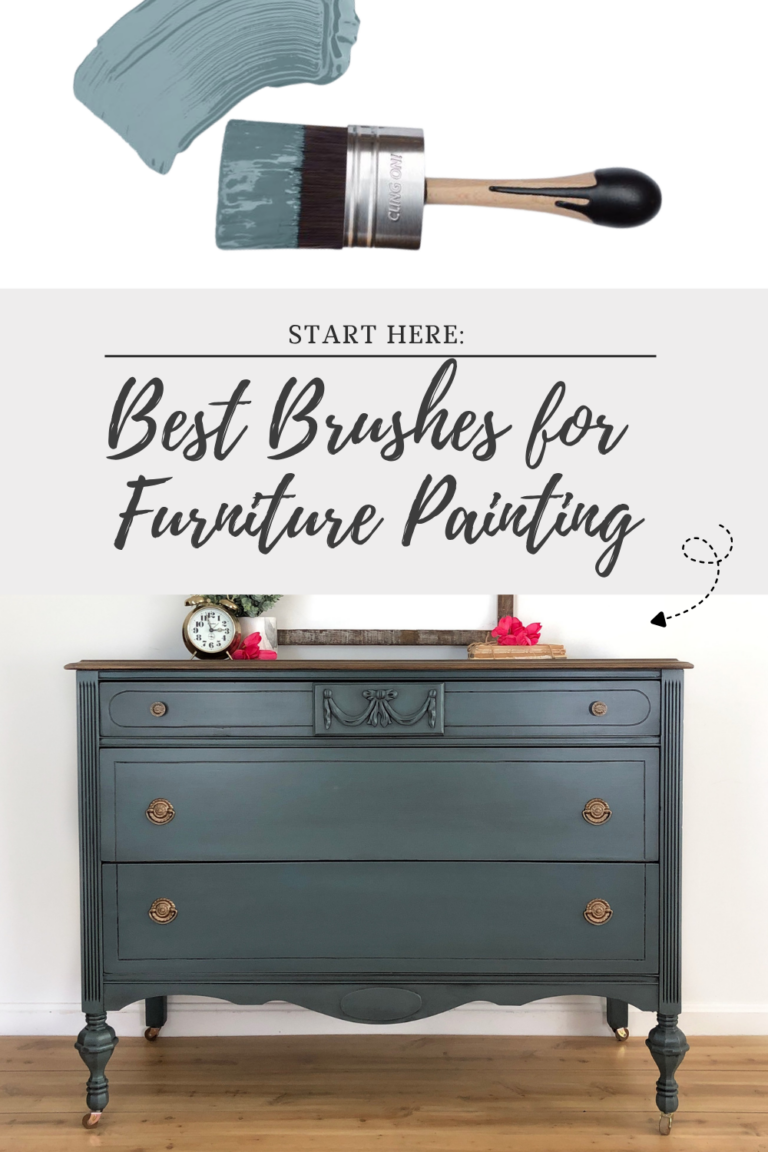
Learn how & when to use different brushes here: Best Brushes for Furniture Painting
4. Not Letting It Cure
Dry and cured are not the same.
Even if it feels dry, your piece may need several days to fully harden.
Shop My Go-To Supplies
Final Thoughts
If you want your painted furniture to last, the top coat you choose matters just as much as the paint.
If you keep it simple:
- Use water-based for most projects
- Choose satin for durability + versatility
- Apply thin, even coats
—you’ll get a professional-looking finish every time.
Related Posts You’ll Love
- Best Paint for Furniture
- Best Brushes for Furniture Painting
- Chalk Paint vs Milk Paint
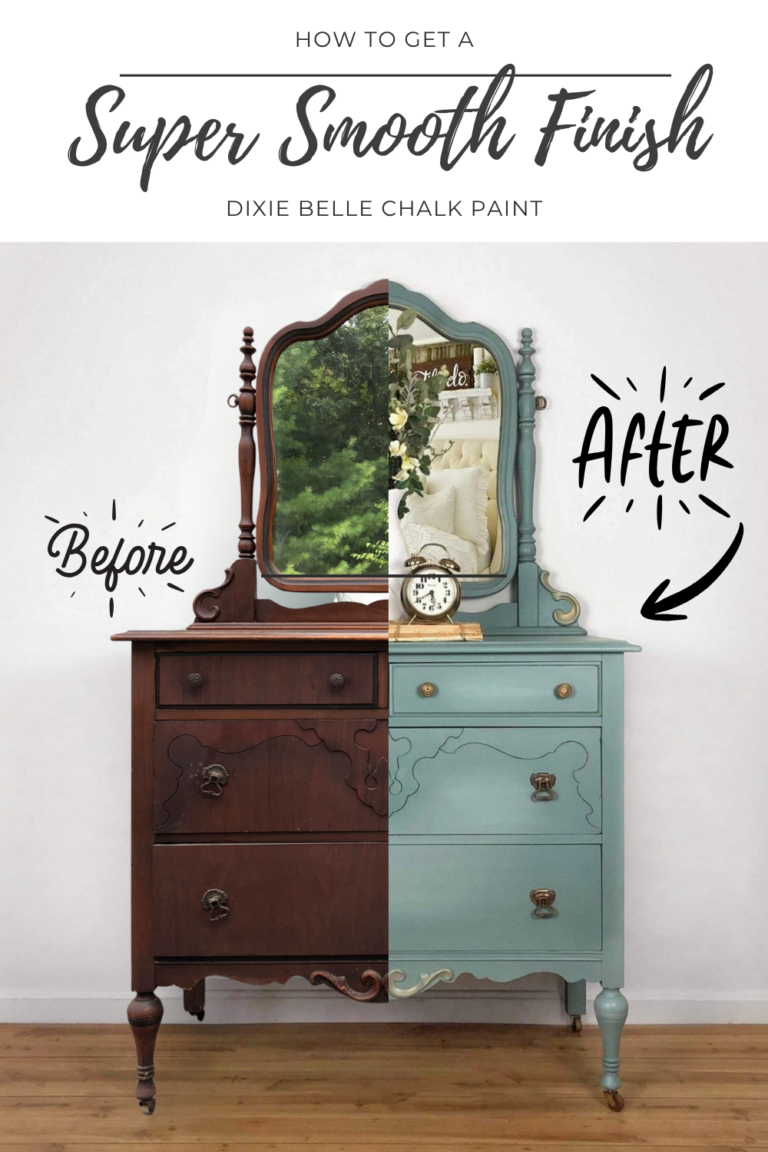
- How to Get a Smooth Finish (No Brush Strokes)
Keep Reading: Furniture Painting Guides You’ll Actually Use
If you’re working on a furniture project, these are the exact guides I recommend (this is the system I personally follow 👇)
🎯 Start Here (Core Guides)
🛠 Fix Common Problems
🎨 Choose the Right Products
- Best White Paint for Furniture
- Best Black Paint for Furniture
- Best Primer for Furniture
👉 These will walk you through exactly what to use and how to get a professional finish.
🔥 Want the exact supplies I use?
👉 Check out my Furniture Painting Starter Kit (everything I use in one place)